Heavy Duty Truck Repair Is Moving to a New Location
Heavy Duty Truck Repair is currently going through an exciting period of reorganization and relocation to a new facility. As we prepare for this…
 Tomas Labinskis
Aug 24, 2026
Heavy Duty Truck Repair is Temporarily Closed While We Get Settled Into Our New Space. Read more

Homer Glen, IL
Tomas Labinskis
May 11, 2026
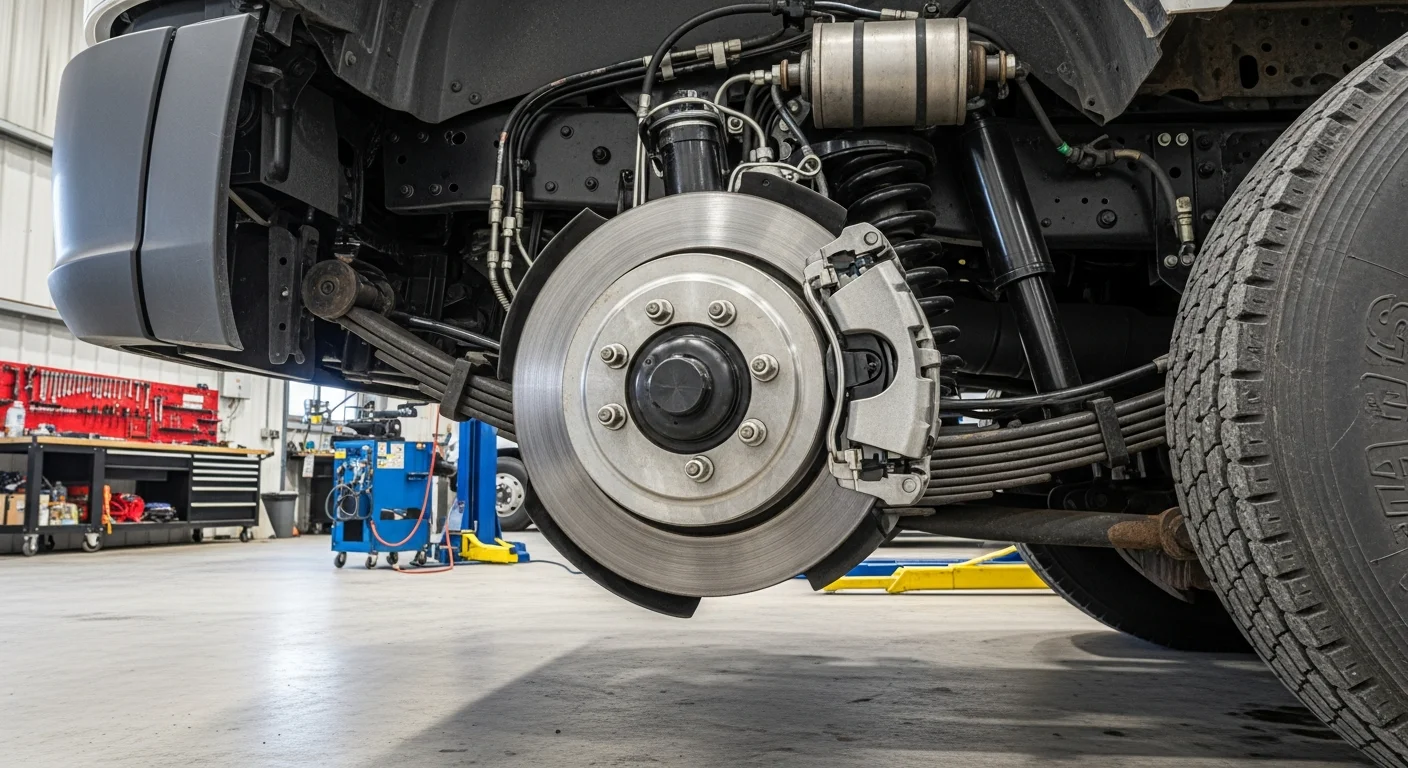
If you are getting ready for a fleet maintenance audit, your brake records and brake condition need to be in order before the inspector ever looks at the truck. A clean file is not enough by itself. The brakes on the truck and trailer also have to match the paperwork.
For a fleet manager, owner, or maintenance lead, this is where small gaps turn into expensive problems. A missed brake adjustment, weak air loss check, or incomplete repair record can lead to downtime, failed inspections, out-of-service risk, and trucks sitting instead of hauling freight. Audits also tend to expose the same habits that cause roadside breakdowns and repeat brake complaints.
Brake audit prep is really about proving that your fleet inspects, repairs, and documents brake work before defects become violations.
They are looking for two things: are the brakes safe right now, and can you prove your fleet has a real maintenance process. If either side is weak, the audit gets harder fast.
Under 49 CFR 396.11, drivers must inspect the vehicle, including the brake system, and brake defects have to be documented and corrected before the unit returns to service. That matters because a truck with brake pad wear past limits, air pressure loss, or inoperative brake parts can be placed out of service on the spot.
That is why brake audit prep cannot start the week before an inspection. If your files show repairs, but the truck still has an air leak, dragging brake, or a bad chamber, the paperwork will not save you.
During roadside inspections, brake defects stay near the top of what gets written up, and that is one reason maintenance records matter so much. CVSA inspections put heavy attention on brake condition, and your brake pad replacement records, air system checks, and brake adjustment logs help show that your fleet is following a repeatable maintenance process instead of waiting for failures.
You need written maintenance policies, scheduled brake service intervals, and a complete repair history by unit. If the truck has had brake work, the file should show what was found, what was replaced, and when it was put back in service.
Under § 396.3, FMCSA’s guidance on systematic inspection, repair, and maintenance points back to a basic idea many fleets miss: the system has to be written down. That includes preventive maintenance schedules for brake systems, inspection logs, parts-replacement history, and outside-vendor records if another shop performed the work. If your records live in a driver notebook, a text thread, and three different spreadsheets, that usually comes apart during an audit.
Your brake file for each unit should be easy to follow. At a minimum, that usually means:
If you run trailers, build the same paper trail there too. A lot of fleets are better with tractor records than trailer records, and that is a mistake. Trailer brakes, air leaks, worn bushings, and ABS issues still count during inspection.
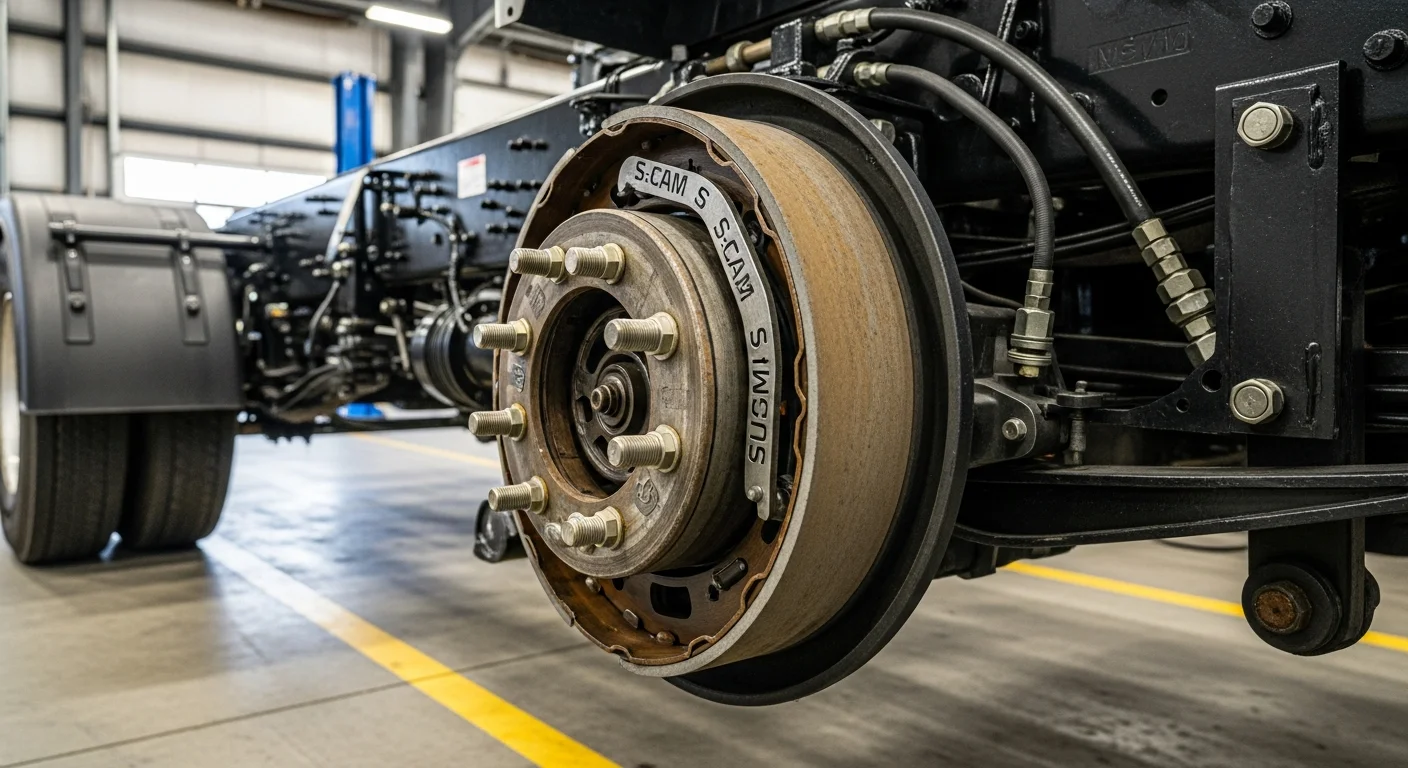
Audit readiness is not just clerical work. Somebody has to physically inspect the brake system and catch what would fail roadside.
Start with foundation brake condition. That means looking at pad or shoe thickness, drum or rotor condition, contaminated friction material, cracked hardware, missing components, and wheel ends that show signs of heat. If one wheel position has grease contamination or a bad seal, that is not just a brake issue anymore. It can become a wheel end repair and a downtime problem.
Then check brake adjustment and movement. On air brake setups, look at chamber stroke, slack adjuster travel, mounting condition, and signs of uneven brake application side to side. A truck that pulls under braking or has one hot drum after a run may already be telling you a brake is out of adjustment, dragging, or not applying correctly.
Do not skip the air system. A brake system can look fine at the wheel ends and still fail inspection because of pressure loss or weak air control. Check for:
If your fleet runs mixed equipment, make the inspection form fit the truck. A dump truck, road tractor, straight truck, and trailer set do not always fail the same way, even though the audit standard still expects documented brake maintenance.
Heavy-duty vehicle safety guidance supports what experienced fleet shops already know: brake failures are taken seriously, and records that include slack adjuster measurements, drum and rotor condition, pad thickness, and air pressure test results give you much stronger proof that your fleet is paying attention to the details that matter.
The best time to find a brake problem is in your yard, not on the shoulder. Fleets that wait for annual reviews or outside inspections usually find out too late where their gaps are.
FMCSA safety data guidance supports doing regular internal compliance reviews, and for brake systems that means more than just checking whether a PM was opened and closed. You want to review whether brake inspections were completed on time, whether listed defects were repaired quickly, and whether your maintenance tracking system shows patterns like repeat chamber failures, recurring air leaks, or trucks repeatedly written up for the same brake complaint.
A monthly internal review is a practical rhythm for most fleets. Pull a sample of tractors and trailers and compare the paperwork to the actual unit condition. Look for gaps like:
Digital inspection apps and centralized maintenance tracking can help, but only if people use them correctly. Bad data entered into a fancy system is still bad data. The point is to make brake history visible so management can see overdue work, repeat failures, and units that should not be dispatched yet.
The most common problem is thinking the audit is about paperwork only. The second most common problem is treating every brake repair as a one-time event instead of a pattern.
For example, if a truck has had multiple brake adjustments in a short period, the real issue may be worn components, a bad slack adjuster, shoe wear, chamber problems, or hardware damage. If trailers keep showing air loss, the root cause may be poor line support, gladhand wear, or missed leak testing during PM service. If one tractor keeps eating brakes on one axle, check for dragging calipers, wheel seal contamination, suspension wear, or uneven load issues.
This matters to the business side just as much as the safety side. Brake defects lead to roadside downtime, tow bills, late freight, extra tire wear, and driver frustration. For fleets, one bad audit can also trigger more scrutiny later, especially if your files show that the same brake problems keep coming back.
If your fleet is getting ready for a maintenance audit and you are not fully confident in the brake records or the brake condition of your trucks and trailers, get them checked before they become violations. HDTR in Homer Glen, Illinois handles heavy-duty brake inspections, air system diagnostics, truck and trailer repair, and DOT-related repair work under one roof. If you need a shop to inspect the equipment, document the repairs clearly, and fix the brake issues that could put a unit out of service, that is the next step to take before audit day catches up with you.
Have driver inspection reports, preventive maintenance records, repair orders, parts replacement history, and outside vendor invoices ready by unit number. The records should show the defect, the inspection or measurement, the repair performed, and that the truck or trailer was corrected before returning to service.
No. Good paperwork helps, but it does not cancel out unsafe brake condition. If inspectors find air loss, inoperative brake parts, or wear past limits, the truck can still be written up or placed out of service.
A monthly internal review is a smart schedule for most fleets. It gives you time to catch missed repairs, overdue PM work, and repeat brake complaints before they turn into roadside violations or a bad audit result.
Yes. Trailers are often where fleets fall behind on documentation, especially on air leaks, brake wear, and ABS issues. During inspections and audits, trailer brake condition and maintenance history still count against the fleet.

Heavy Duty Truck Repair is currently going through an exciting period of reorganization and relocation to a new facility. As we prepare for this…
Tomas Labinskis
Aug 24, 2026
Your truck can need body repair even when the obvious crash damage looks minor, because hidden structural movement often shows up in the way…
Tomas Labinskis
Jul 17, 2026
A warning light on a heavy-duty truck is not just a reminder on the dash. It is the truck telling you a system has…
Tomas Labinskis
Jul 14, 2026