Heavy Duty Truck Repair Is Moving to a New Location
Heavy Duty Truck Repair is currently going through an exciting period of reorganization and relocation to a new facility. As we prepare for this…
 Tomas Labinskis
Aug 24, 2026
Heavy Duty Truck Repair is Temporarily Closed While We Get Settled Into Our New Space. Read more

Homer Glen, IL
Tomas Labinskis
May 8, 2026
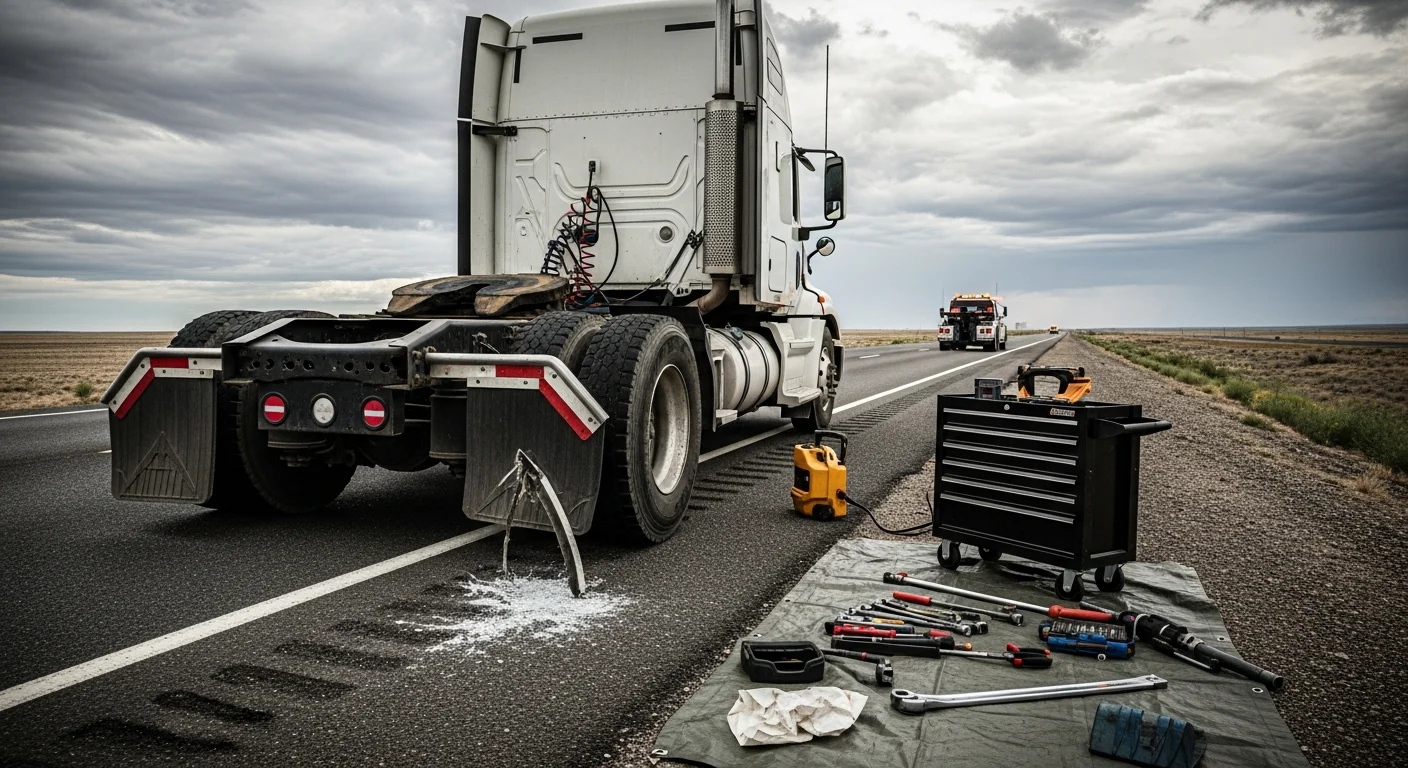
Roadside repair makes sense after collision damage only when the truck is still structurally safe, the damage is limited, and the fix can restore legal operation without guessing. A mirror hanging loose, a broken light bracket, a torn airline support, a bent mud flap hanger, or minor suspension hardware damage may be handled on-site. A pushed-in cab corner, steering damage, wheel-end impact, frame damage, leaking coolant, tire contact, or brake damage usually needs a full shop inspection.
That decision matters because a bad call after an accident turns one incident into two. Fleets and owner-operators are trying to avoid missed loads, tow bills, roadside downtime, DOT trouble, and repeat breakdowns. But trying to force a truck back on the road with hidden damage can lead to an out-of-service condition, tire wear, brake problems, or another breakdown before the next stop.
Minor collision damage can sometimes be repaired roadside, but only if the truck can be made safe, legal, and dependable without hiding a larger problem.
Roadside repair is for limited damage, not unknown damage. The goal is to restore safe movement or legal lighting and air system function, not to skip a full repair that the truck still needs later.
Good roadside candidates are usually the kind of collision damage you can see clearly and verify quickly. That means no question about steering geometry, axle position, wheel-end condition, brake function, or structural damage.
Roadside work may make sense for issues like these:
There is a real reason to take those smaller repairs seriously. 26.5% of roadside inspections in 2024 put trucks out of service for brake defects, which shows how fast a small impact-related brake issue can become a shutdown if it is not caught and fixed right away.
Roadside repair is also useful when the truck can be stabilized well enough to finish a short trip to the terminal or repair shop. That is different from saying the truck is fully repaired. A temporary but proper fix can save a tow if the damage has been checked and the truck is not unsafe.
If the collision touched steering, brakes, suspension, tires, frame, cooling, or the cab mounting area, do not treat it like a quick cosmetic job. Those systems decide whether the truck tracks straight, stops correctly, and stays in service.
A truck needs shop repair, and often a tow-in, when there is any doubt about hidden damage. This is where a lot of expensive mistakes happen. A driver sees scraped body panels and assumes it is mostly cosmetic, but the impact has shifted a steer axle component, damaged a brake chamber, bent a shock mount, or rubbed a tire until the sidewall is compromised.
Pull the truck from service for a deeper inspection if you see any of these signs:
That is not just shop preference. Under the North American Standard Out-of-Service Criteria, vehicles with damaged or missing suspension parts from a collision can be placed out of service until repaired. If the damage is limited to something simple and verifiable, a roadside part replacement may get the truck legal faster than towing. If the component damage is deeper, roadside work is not enough.
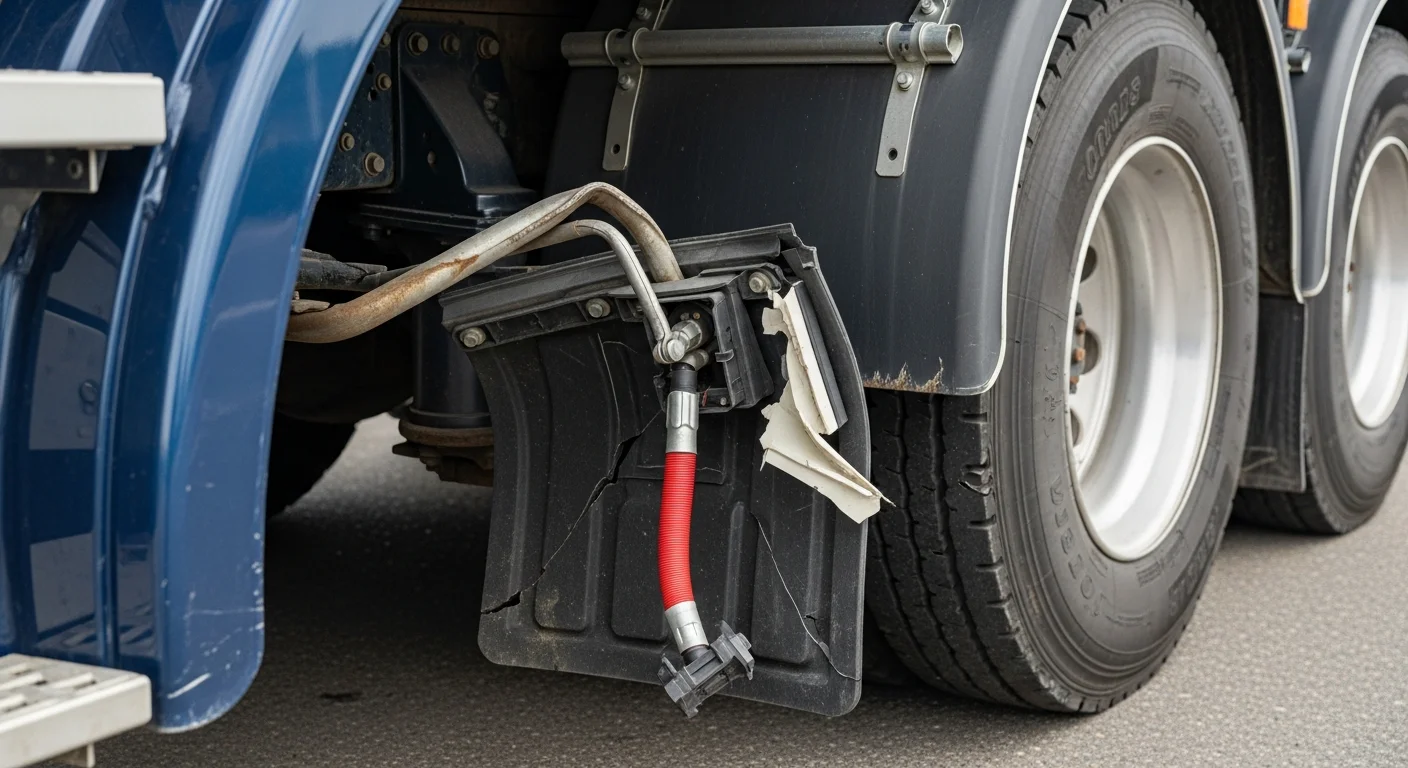
The right choice comes down to three questions. What was hit, what changed in how the truck drives, and can the repair be verified before the truck goes back into service?
If the answer is only exterior equipment, no change in handling, and a clear repair with no secondary damage, roadside repair may be the smart move. If the truck now drives differently, leaks air or coolant, has warning lights, or shows tire and suspension movement, send it in for proper diagnostics and inspection.
A quick comparison helps:
| Condition | Better choice |
|---|---|
| Broken light, bracket, mirror, or simple wiring damage | Roadside repair if function can be restored and checked |
| Minor bolt-on hardware damage with no bent major component | Roadside repair if parts fit correctly and inspection confirms no secondary issue |
| Steering pull, suspension shift, tire rub, or brake problem after impact | Shop repair with full inspection |
| Cab, body, or trailer wall damage affecting structure or alignment | Shop body repair |
| Unknown undercarriage impact or wheel-end contact | Shop inspection before returning to service |
Cost matters here too, especially on older equipment. up to 25% higher maintenance costs on aging Class 8 trucks means fleets have to watch every extra tow, extra day down, and repeat repair. That can make a good roadside repair the right financial call, but only if it truly prevents more downtime instead of creating it.
The first roadside fix may solve the obvious problem and still miss the one that puts the truck back on the shoulder later. That usually happens when people focus on visible body damage and skip function checks.
After any collision repair attempt, the truck should be checked for brake response, air leaks, steering play, suspension position, tire clearance, light operation, and signs of driveline or wheel-end vibration. If the impact was near the front corner, bumper, hood, side fairing, rear axle area, or trailer tandem, there is more going on than sheet metal.
Large-truck crash data from NHTSA shows that body and suspension damage are a meaningful share of post-crash repair needs. That is why roadside assessment matters so much. A truck may need a simple on-site part swap, or it may need body work, alignment checks, suspension measurement, and a controlled shop inspection before it is safe to keep running.
If the truck comes back with a pull, tire wear, ABS light, air issue, hood misalignment, or repeat vibration, assume the first repair was incomplete. Do not keep sending the unit out hoping the problem wears in. It usually wears something out instead.
Right after the collision, get clear photos of the impact area, the tires, the wheel openings, the undercarriage if visible, and any fluid leaks or broken parts. Ask the driver one direct question: did anything change in steering, braking, ride height, air pressure, vibration, or engine temperature after the hit?
If the truck still drives straight, holds air, has no leak, no tire contact, no warning lights, and the damage is clearly limited, a roadside repair may be enough to keep the day from turning into a tow and a missed load. If any of those answers are no, stop trying to make it a roadside job.
The smartest choice is usually the one that separates cosmetic damage from operational damage. Cosmetic issues can often wait or be stabilized. Operational damage needs inspection now, before it turns into tire loss, brake trouble, an out-of-service violation, or another crash.
If one of your trucks has collision damage and you are trying to decide whether it can be repaired on-site or needs to come in, HDTR can help you make that call based on the actual damage, not guesswork. HDTR handles heavy-duty mechanical repair, diagnostics, body work, and collision repair in Homer Glen, IL, so the truck does not have to bounce between different shops. Road service is available during business hours within 50 miles, and if the unit is not a safe roadside candidate, HDTR can help arrange a tow-in for proper inspection and repair.
Yes, but only if the damage is limited and the truck is still safe and legal to operate. Lights, mirrors, brackets, and some simple bolt-on parts may be repaired roadside, but steering, brake, suspension, wheel-end, or structural damage should be inspected in the shop first.
A tow is often the better choice if the truck has steering pull, air leaks, brake damage, tire rubbing, coolant leaks, wheel-end impact, or suspected frame or suspension damage. If the truck cannot be verified as safe without a full inspection, do not risk driving it.
The first repair may fix the visible damage but miss hidden problems like bent suspension parts, brake issues, wiring damage, or tire contact. That is why post-repair checks for handling, air pressure, vibration, leaks, and warning lights matter before the truck returns to service.
Sometimes, yes, especially if the problem is truly minor and a tow can be avoided. But a cheap roadside repair becomes expensive fast if the truck ends up with repeat downtime, tire damage, an out-of-service violation, or a second repair for damage that was missed the first time.

Heavy Duty Truck Repair is currently going through an exciting period of reorganization and relocation to a new facility. As we prepare for this…
Tomas Labinskis
Aug 24, 2026
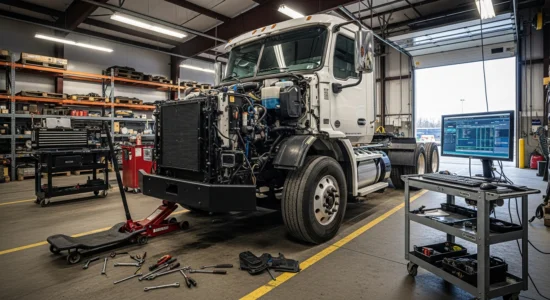
Your truck can need body repair even when the obvious crash damage looks minor, because hidden structural movement often shows up in the way…
Tomas Labinskis
Jul 17, 2026
A warning light on a heavy-duty truck is not just a reminder on the dash. It is the truck telling you a system has…
Tomas Labinskis
Jul 14, 2026