Heavy Duty Truck Repair Is Moving to a New Location
Heavy Duty Truck Repair is currently going through an exciting period of reorganization and relocation to a new facility. As we prepare for this…
 Tomas Labinskis
Aug 24, 2026
Heavy Duty Truck Repair is Temporarily Closed While We Get Settled Into Our New Space. Read more

Homer Glen, IL
Tomas Labinskis
Jun 10, 2026
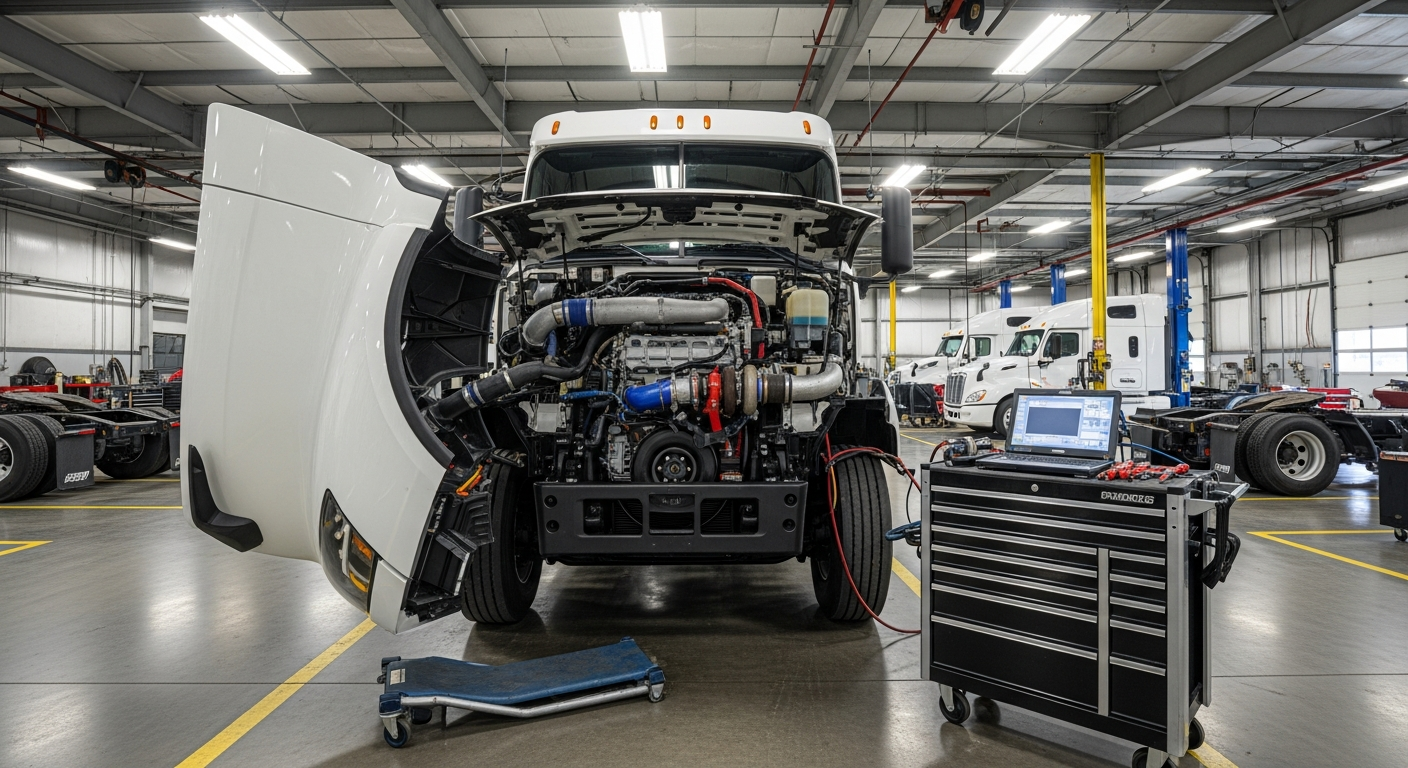
AI fleet software helps most when it gives a dispatcher or fleet manager better visibility into trucks, drivers, and maintenance before a small issue turns into a missed load or roadside breakdown.
That matters because software decisions are now tied directly to uptime, labor planning, fuel cost, and repair timing. A bad platform creates more screens, more alerts, and more confusion. A good one helps you catch problems earlier, route around delays, and schedule service before the truck derates, overheats, or ends up on a hook.
Good AI fleet software should help you make faster operating decisions and better maintenance decisions, not just give you another dashboard.
For a truck owner or fleet, the real decision is not whether AI sounds impressive. The real decision is whether the software can help keep equipment working, reduce avoidable downtime, and give your shop or outside repair vendor better information to act on.
The useful part of AI is not the buzzword. It is the way the system sorts through too much fleet data faster than a person can.
Modern platforms can pull together dispatch, telematics, fault activity, equipment status, and load timing into one place. AI-based TMS platforms can use real-time data on truck location, driver hours, equipment status, and pickup plans to help dispatchers make faster routing and asset decisions across the fleet.
That helps in real life when a driver is close on hours, a trailer is still sitting at the wrong yard, or a truck with an active fault should not be sent on another long run. Instead of finding out too late, the software can flag the conflict earlier.
The same idea applies to maintenance. If your platform only tracks PM intervals by mileage, it may miss how the truck is actually being used. Stop-and-go city work, heavy loads, idle time, PTO use, and repeated regen events all put different stress on the truck.
That is why the better systems do more than basic reminders. They connect operations data to repair planning.
If the software cannot help reduce unplanned breakdowns, it is probably not worth much to a working fleet.
Predictive maintenance tools in fleet software analyze real-time vehicle diagnostics, historical performance data, and usage patterns to flag potential failures before they become breakdowns, shifting maintenance from reactive to planned service.
That does not mean the software magically repairs trucks. It means it can help you spot patterns sooner. Maybe one truck has rising coolant temperature under load. Maybe another has repeated low-voltage faults, aftertreatment warnings, or fuel economy changes that point to a sensor issue, regen problem, or drag in the driveline. Maybe a trailer ABS fault keeps coming back on the same unit.
For a fleet manager, that changes the repair decision. Instead of waiting for the driver to call from the shoulder, you can plan a shop stop, line up parts, and keep the downtime shorter and more controlled.
For an owner-operator, it helps answer a common question: do I keep running it, or do I bring it in now before this gets expensive? The better the data, the better that call becomes.
Predictive maintenance is also valuable because truck uptime is not just about repair intervals. Fleet uptime is tied to more than maintenance alone; it also affects cost, safety, and service reliability, which is why software that helps prevent unplanned downtime matters to fleet operations.
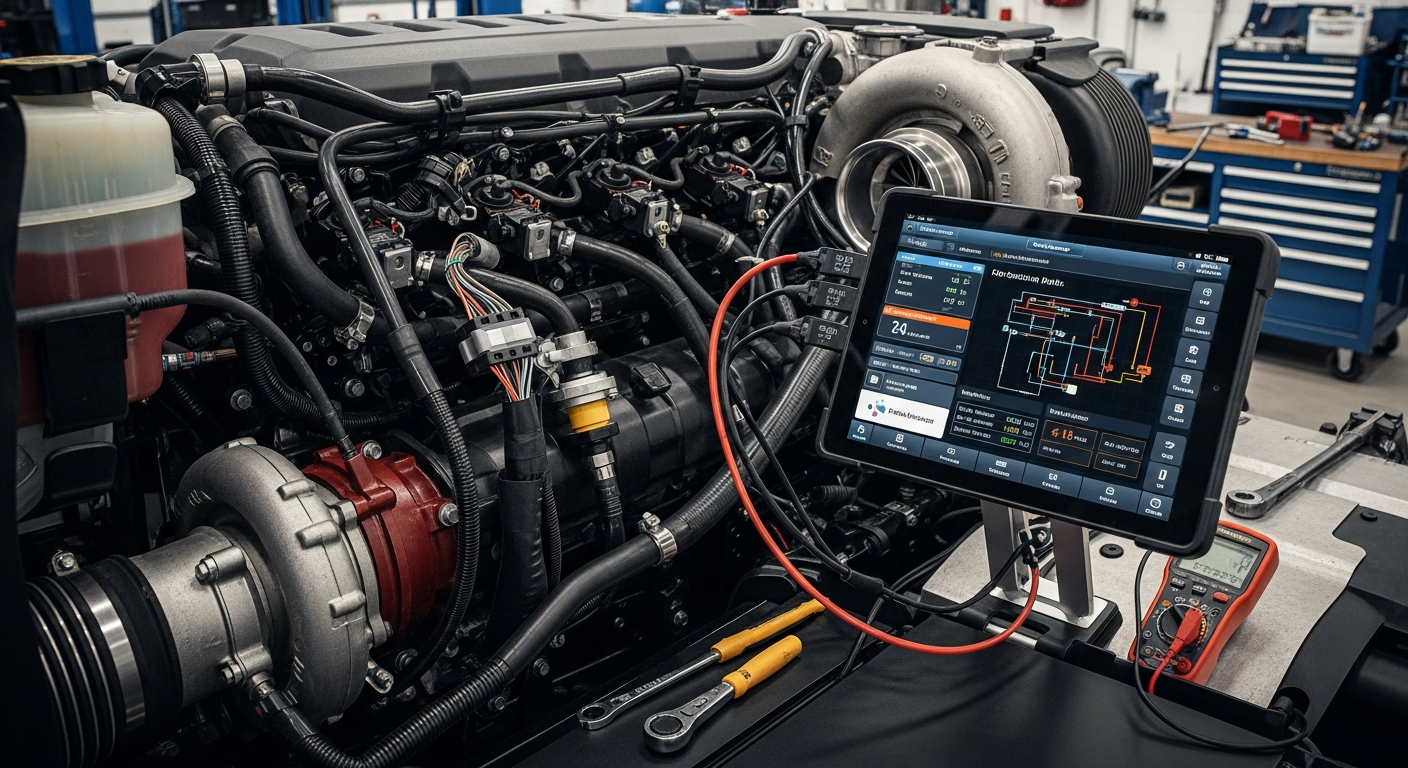
Most fleets do not need the most advanced system on the market. They need the one their people will actually use.
Before choosing software, compare how it handles the daily problems that create downtime and confusion. A flashy dashboard is not enough if your dispatch team, maintenance manager, and repair vendors still cannot see the same information clearly.
Look closely at these areas:
A lot of fleets buy software based on the sales demo and find out later that the reporting is pretty but the action steps are weak. That is where buyer frustration starts. If a platform cannot help you decide which truck needs service first, which unit can finish the load, and which fault can wait until tonight, it may not fit your operation.
Routing and maintenance should not be separate conversations. In a real fleet, they affect each other every day.
AI route optimization can factor in live traffic, weather, and delivery windows to reduce fuel use, idle time, and travel time, which directly supports better uptime and lower operating cost.
That matters because every extra hour in traffic, every unnecessary idle period, and every bad route choice adds wear and burns time a truck could have used for planned service. If the system knows one truck is due for maintenance and another one is running clean with no active issues, it can help assign the right unit to the right load.
This is where many operations still miss the mark. They schedule maintenance around whatever truck happens to be free, instead of using software to create that opening. AI can help spot the best time to pull a truck in without wrecking the dispatch board.
For example, if a truck has a minor coolant loss trend or repeated fault code history but can still complete a short local route safely, the fleet may be able to bring it in that afternoon instead of risking a breakdown on a long haul the next day. That is a much better decision than waiting for the warning light to become a tow bill.
The software should make diagnostics easier, not harder. If it only gives vague alerts, your shop still has to start from zero.
The better platforms can automate reporting and show trends that matter. AI fleet software can automate reporting and surface patterns in vehicle performance, fuel use, and driver behavior, helping managers identify problems earlier and prioritize the highest-value maintenance work.
That means when the truck arrives for service, the repair side may already know the complaint history, fault timing, repeat events, and usage pattern. That can shorten diagnostic time and reduce parts swapping.
From a heavy-duty repair standpoint, the useful question is simple: can the software help point us toward the real failure? If the answer is yes, the truck usually gets repaired faster and with fewer repeat visits. If the answer is no, then the AI label does not mean much.
Ask vendors how the system handles repeat fault code events, live data trends, PM scheduling by actual use, and communication with outside repair shops. If they cannot explain that clearly, keep looking.
If your fleet is trying to use software to stay ahead of breakdowns, the next step still has to happen in the shop. HDTR works with owner-operators and fleets in Homer Glen, IL that need real diagnostics after warning signs show up in telematics, maintenance reports, or driver complaints. When software points to a cooling issue, electrical problem, aftertreatment fault, brake concern, or another repair trend, getting the truck checked before it turns into roadside downtime is usually the cheaper move. If the unit cannot stay in service safely, HDTR can inspect it at the shop and help you decide whether it needs immediate repair or scheduled downtime.
It can help catch warning patterns earlier, but it does not replace inspections or repair work. The main value is spotting faults, trends, and usage issues soon enough to plan service before the truck breaks down on the road.
Look for clear fault visibility, maintenance planning tools, and integration with your existing telematics and dispatch process. If the system cannot help your team decide which truck needs attention now and which one can keep running, it will create more work than it saves.
Small fleets can benefit too, especially if one delayed truck or missed delivery hurts the whole schedule. Better route planning can cut wasted miles, idle time, and scheduling conflicts that make it harder to get trucks into the shop at the right time.
No. Software can point to a likely problem, show fault history, and help schedule service, but the truck still needs proper diagnostics to confirm the failure. Real repair decisions still come from inspection, testing, and hands-on shop work.

Heavy Duty Truck Repair is currently going through an exciting period of reorganization and relocation to a new facility. As we prepare for this…
Tomas Labinskis
Aug 24, 2026
Your truck can need body repair even when the obvious crash damage looks minor, because hidden structural movement often shows up in the way…
Tomas Labinskis
Jul 17, 2026
A warning light on a heavy-duty truck is not just a reminder on the dash. It is the truck telling you a system has…
Tomas Labinskis
Jul 14, 2026