Heavy Duty Truck Repair Is Moving to a New Location
Heavy Duty Truck Repair is currently going through an exciting period of reorganization and relocation to a new facility. As we prepare for this…
 Tomas Labinskis
Aug 24, 2026
Heavy Duty Truck Repair is Temporarily Closed While We Get Settled Into Our New Space. Read more

Homer Glen, IL
Tomas Labinskis
May 28, 2026
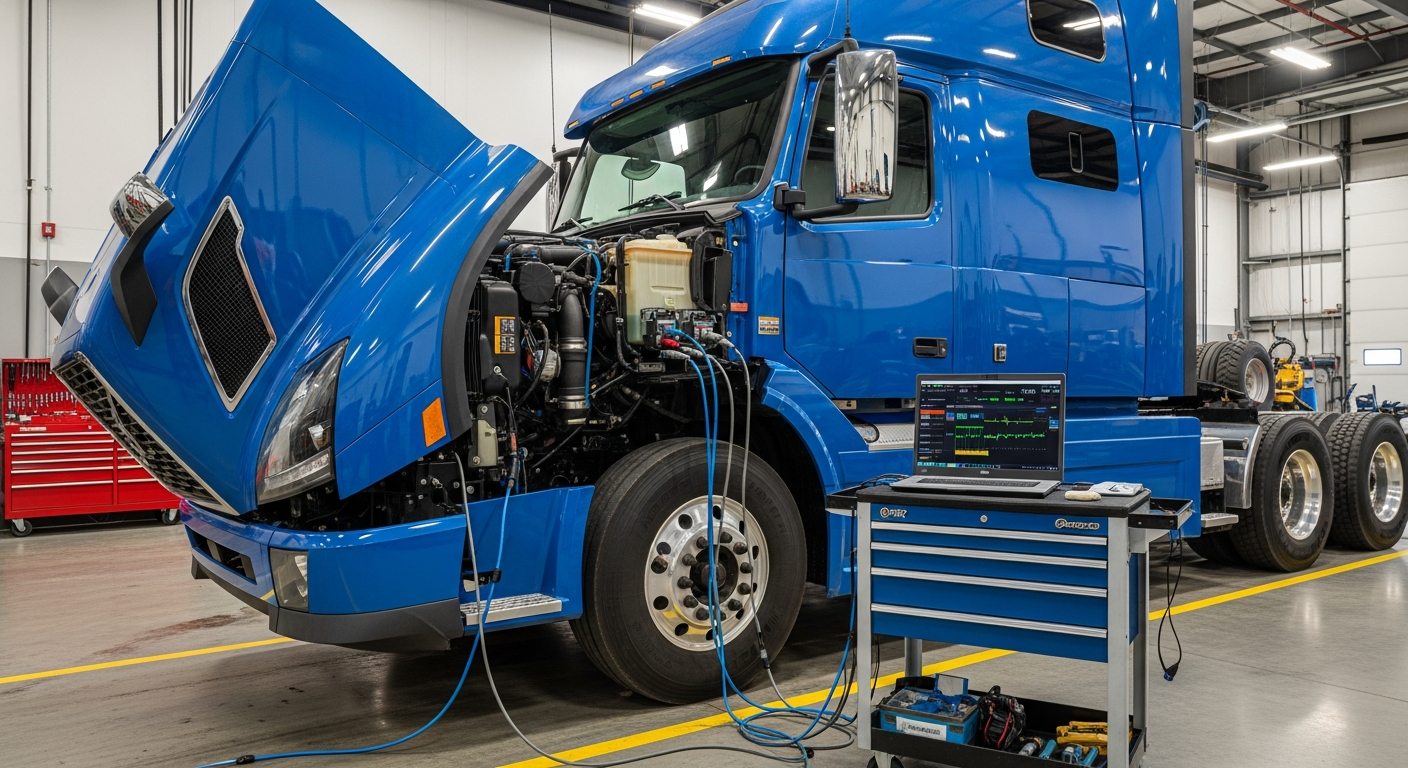
Sensors are what let a modern heavy-duty truck know what is happening inside the engine, aftertreatment system, brakes, tires, and other major systems. If one sensor fails, reads out of range, or sends bad data, the truck can lose power, set fault codes, go into derate, burn extra fuel, or leave you chasing a problem that seems bigger than it really is.
For a driver or fleet, that matters because sensor trouble often starts as a small warning light or a complaint like low power, hard starting, poor fuel mileage, or a regen issue. Ignore it too long, and it can turn into roadside downtime, repeat breakdowns, missed loads, and parts being replaced that were never the real problem.
Bad sensor data can make a good part look bad.
Modern trucks depend on sensor input to control fuel delivery, timing, turbo operation, emissions, cooling, and even dash warnings. Some engine sensors track things like temperature, pressure, and fuel-related conditions so the ECM can keep the truck running correctly and help pinpoint developing problems before they become major repairs.
Sensors measure conditions the driver cannot see in real time. The ECM, ABS module, body controller, and other modules use those signals to decide how the truck should run.
Think of a sensor as the truck’s input side. It does not fix anything by itself. It reports a value like coolant temperature, boost pressure, crankshaft position, wheel speed, DEF quality, or axle load. Then the control module reacts based on that information.
If the input is accurate, the truck can meter fuel correctly, control cooling fan operation, manage aftertreatment, shift properly, and trigger warnings before damage gets worse. If the input is wrong, the truck may still run, but it can run badly.
This is why a truck can have a low-power complaint that feels like a turbo failure, but the real issue is a bad boost sensor or a wiring problem. It is also why replacing parts by guesswork gets expensive fast.
Not every sensor causes the same level of trouble. Some will turn on a light and let you keep running. Others can change how the truck drives right away.
The most important ones in everyday shop diagnostics usually include:
Coolant and oil sensors protect the engine. If the truck sees overheating or loss of pressure, it may warn the driver, reduce power, or shut down to prevent major damage.
Air and fuel sensors affect performance. If the ECM sees the wrong intake pressure, fuel rail pressure, or airflow-related data, you can get rough running, smoke, poor throttle response, or a derate.
Aftertreatment sensors matter because the truck uses them to decide when and how to regen. A bad exhaust temp sensor, pressure sensor, or NOx sensor can create fault codes that look like a DPF problem even when the filter is not the root cause.
Tire monitoring matters more than some drivers think. Heavy-duty sensors have to survive vibration, heat, moisture, dirt, and constant stress, but tire and wheel-end conditions still need close attention because pressure and temperature changes can lead to poor fuel mileage, irregular wear, or a roadside tire failure.
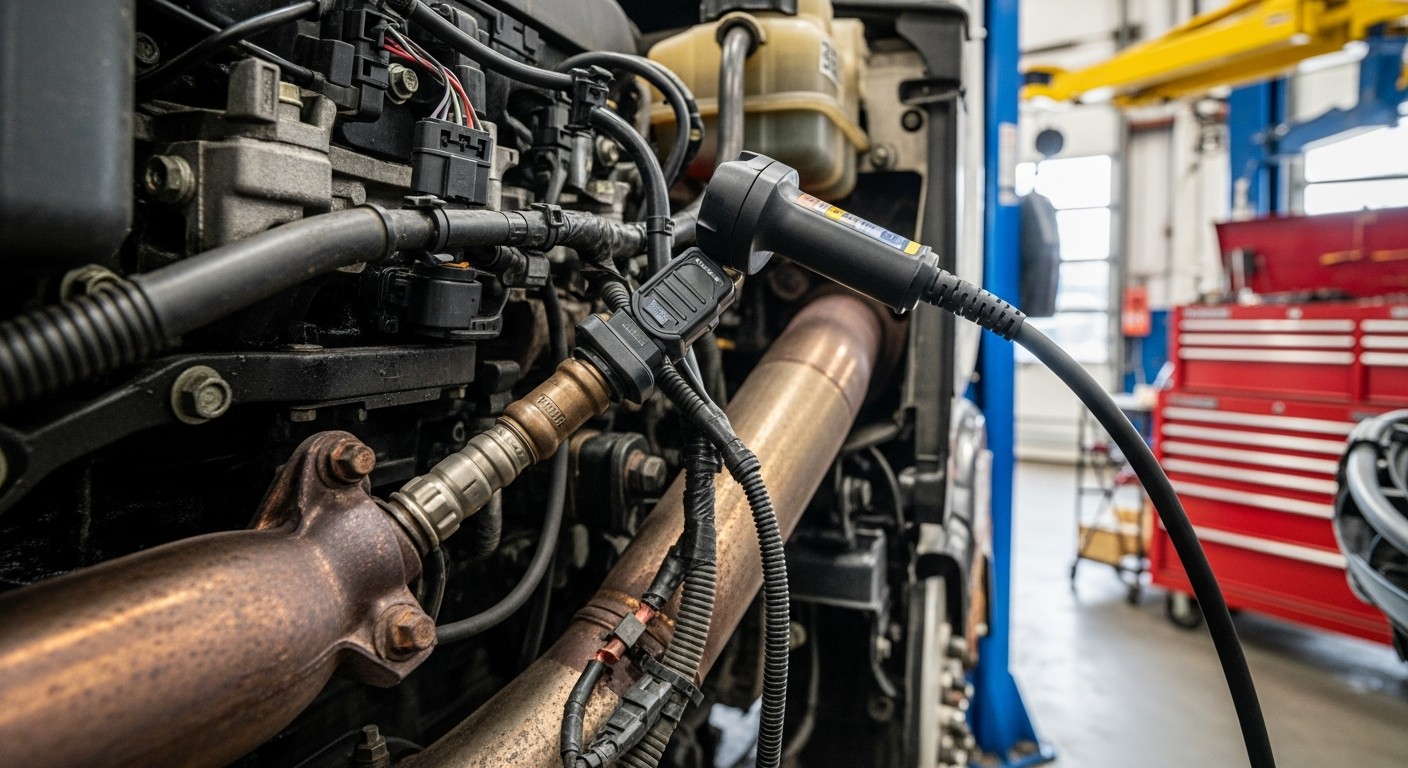
Sensor failures do not always mean the sensor itself is bad. A fault code only tells you what the module does not like. It does not automatically tell you which part to replace.
That is where a lot of wasted money happens. A truck sets a code for low boost pressure, low fuel pressure, high DEF doser performance, or wheel speed signal loss. Someone replaces the sensor first. The problem comes back because the real issue was elsewhere.
Common causes behind sensor-related trouble include:
For example, a coolant level or temperature warning could be caused by low coolant, an internal engine issue, a leaking connector, or a sensor reading wrong. A DPF pressure code could point to restricted tubes, a bad sensor, soot loading, or an exhaust leak affecting the reading.
Good diagnostics means checking fault codes, live data, power and ground, and the mechanical condition of the system. If you skip any one of those, you can end up with a comeback.
Sensors are not just about engine lights. They also protect the truck from loading mistakes, tire failures, and equipment damage.
On some trucks and vocational equipment, weight and load-related monitoring helps operators avoid overloading and poor distribution. That matters because load-related sensor data can help reduce suspension stress, brake strain, and tire wear. The same source also notes that proximity sensors and load sensors improve safety by warning about nearby hazards and operating limits, which is especially important around yards, jobsites, and tight backing areas.
Tire pressure monitoring is another big one. If a tire is low on pressure or running too hot, the problem may not be obvious from the cab until damage is already happening. Real-time tire pressure and temperature monitoring can help catch a problem before a blowout tears up a tire, wheel end, mud flap bracket, or trailer wiring.
That is a direct business issue. One bad tire event can cost far more than the tire itself once you add road call charges, late delivery, and possible body or brake damage from debris.
The right move is to confirm the complaint before replacing parts. Drivers and fleet managers do not need to know every sensor on the truck, but they should know what information helps the shop find the fault faster.
Start with what the truck is doing, not just which light is on. Write down whether the problem happens cold, hot, under load, during regen, at idle, while braking, or only after rain or washing. That kind of pattern often points toward wiring, heat-related failure, or an intermittent sensor signal.
Then look for obvious signs:
If the truck is still operating, the next step is proper computer diagnostics and circuit testing. If it is derated, overheating, losing brake function, or showing signs that a wheel end or tire is in trouble, do not keep pushing it just to finish the run. That is how a manageable repair turns into a tow bill and more downtime.
A good shop will compare fault codes with live data, inspect the harness, test sensor reference voltage and grounds, and confirm whether the sensor is bad or whether it is reporting a real mechanical problem. That is the difference between fixing the cause and just clearing codes long enough for the truck to leave.
If your truck has a warning light, derate, repeat regen issue, or performance problem that may be tied to a bad sensor signal, get it checked before it turns into a bigger repair. Heavy Duty Truck Repair handles heavy-duty and commercial truck computer diagnostics for trucks that need real fault-code and live-data testing, not guesswork. Road service is available during business hours within 50 miles of Homer Glen when the truck cannot make it in. For shop diagnostics, electrical checks, and repair under one roof, start with Heavy Duty Truck Repair.
Yes. A bad boost, fuel pressure, exhaust, crank, cam, or temperature sensor can send bad data to the ECM and cause low power, poor throttle response, or a derate. The truck may feel like it has an engine or turbo problem even if the real issue is the sensor circuit or the data signal.
Not automatically. A fault code tells you which signal is out of range or missing, but the cause can be wiring damage, corrosion, a ground issue, low system voltage, or a real mechanical problem. Replacing the sensor first without testing can waste time and money.
Common signs include check engine lights, intermittent no-start complaints, random derates, repeat regen requests, rough running, poor fuel mileage, and problems that happen only when the truck is hot or vibrating under load. Intermittent issues are especially common with damaged harnesses, loose connectors, and failing sensor circuits.
If the truck has active fault codes, low power, aftertreatment warnings, ABS lights, or a problem that keeps coming back after parts have been replaced, computer diagnostics are the right next step. Live data and circuit testing help separate a bad sensor from a bad connection or an actual component failure.

Heavy Duty Truck Repair is currently going through an exciting period of reorganization and relocation to a new facility. As we prepare for this…
Tomas Labinskis
Aug 24, 2026
Your truck can need body repair even when the obvious crash damage looks minor, because hidden structural movement often shows up in the way…
Tomas Labinskis
Jul 17, 2026
A warning light on a heavy-duty truck is not just a reminder on the dash. It is the truck telling you a system has…
Tomas Labinskis
Jul 14, 2026