Heavy Duty Truck Repair Is Moving to a New Location
Heavy Duty Truck Repair is currently going through an exciting period of reorganization and relocation to a new facility. As we prepare for this…
 Tomas Labinskis
Aug 24, 2026
Heavy Duty Truck Repair is Temporarily Closed While We Get Settled Into Our New Space. Read more

Homer Glen, IL
Tomas Labinskis
Jun 19, 2026
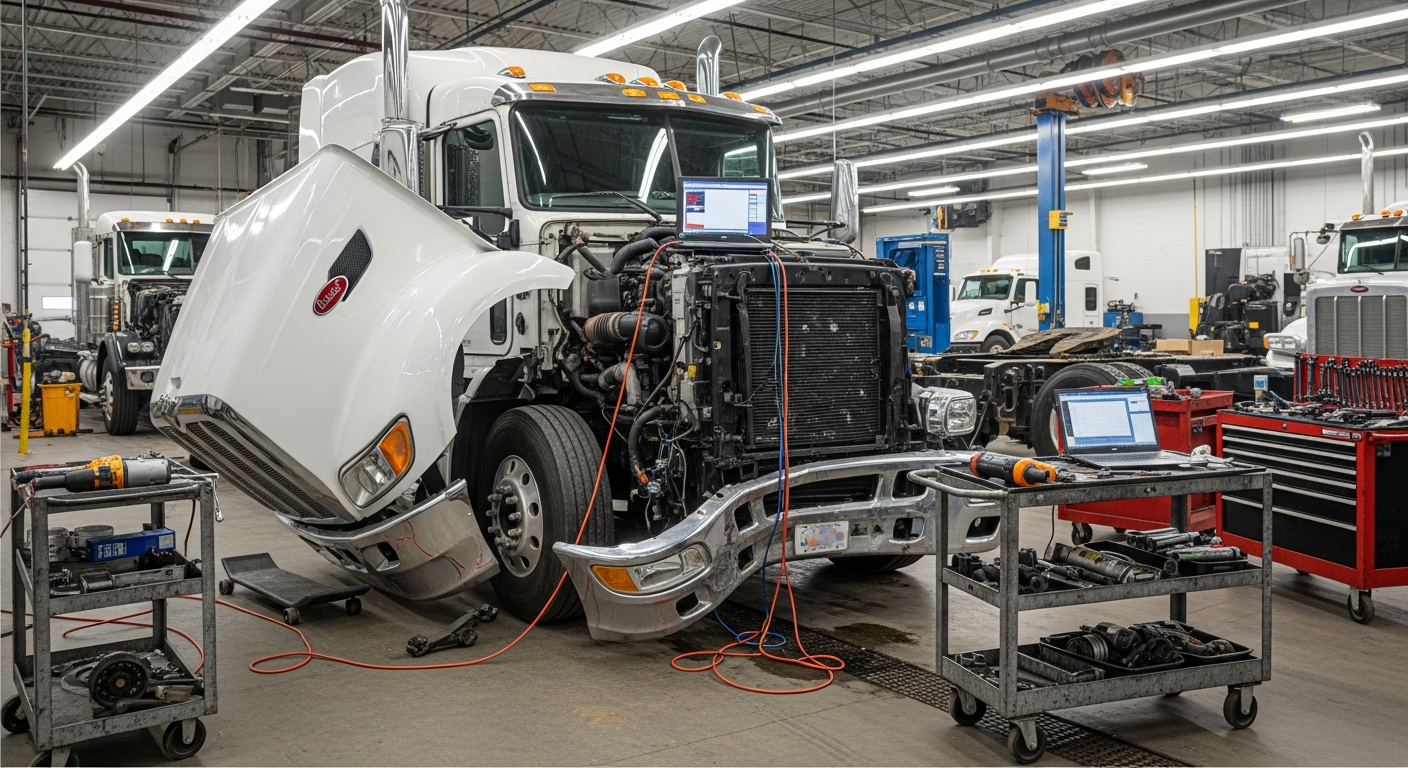
A heavy-duty collision repair estimate should tell you exactly what is being repaired, how it is being repaired, and what you are paying for.
If the quote is vague, unusually low, or pushed across the counter with a “sign here” attitude, that is where truck owners get burned. A bad estimate does not just affect the final bill. It can lead to extra downtime, fitment problems, paint mismatch, missed hidden damage, repeat shop visits, and in some cases a truck that goes back to work with safety-related repairs not fully handled.
A cheap-looking estimate can become an expensive truck problem.
This matters even more on a semi-truck, box truck, service truck, or fleet unit because collision damage often affects more than the panel you can see. Bumpers, hoods, cabs, brackets, steps, lights, mirrors, suspension mounting points, and frame-related measurements can all be part of the real repair.
A good estimate is written, itemized, and easy to follow. If you cannot tell what labor, parts, paint, and procedures are included, you cannot compare one shop to another in any real way.
The estimate should be written and itemized, with line items for labor, parts, paint materials, diagnostics, and added procedures. A single total at the bottom may look simple, but it hides whether the shop left work out or padded the price.
For a heavy-duty truck, the estimate should also match the actual damage path. If the truck took a front corner hit, you should expect more than just a fender and headlamp on paper. There may be grille parts, mounting hardware, inner structure, wiring checks, alignment of adjacent panels, and paint blend work if color match matters.
If the truck was hit hard enough to move sheet metal, crack fiberglass, or shift brackets, the estimate should reflect inspection time and possible measuring steps. If it does not, ask why.
You should never compare two estimates on price alone until you know what kind of parts each shop is quoting. One number can look better simply because cheaper parts were used on paper.
When comparing quotes, check whether the estimate lists OEM, aftermarket, recycled, or reconditioned parts. Those part types can change cost, fit, finish, lead time, and long-term durability.
On working trucks, that matters. A hood, bumper, light assembly, mirror bracket, or door shell that does not fit right can create wind noise, water leaks, vibration, poor panel gaps, or repeat failures. On fleet trucks, it can also create image problems if the repaired unit looks patched together instead of properly fixed.
That does not mean every non-OEM part is bad. Sometimes a recycled or reconditioned component is the smart move, especially on older units. The point is that the estimate should tell you what is being used so you can make that decision with open eyes.
If a shop cannot explain the part choice, or the quote does not identify it at all, slow down before approving anything.
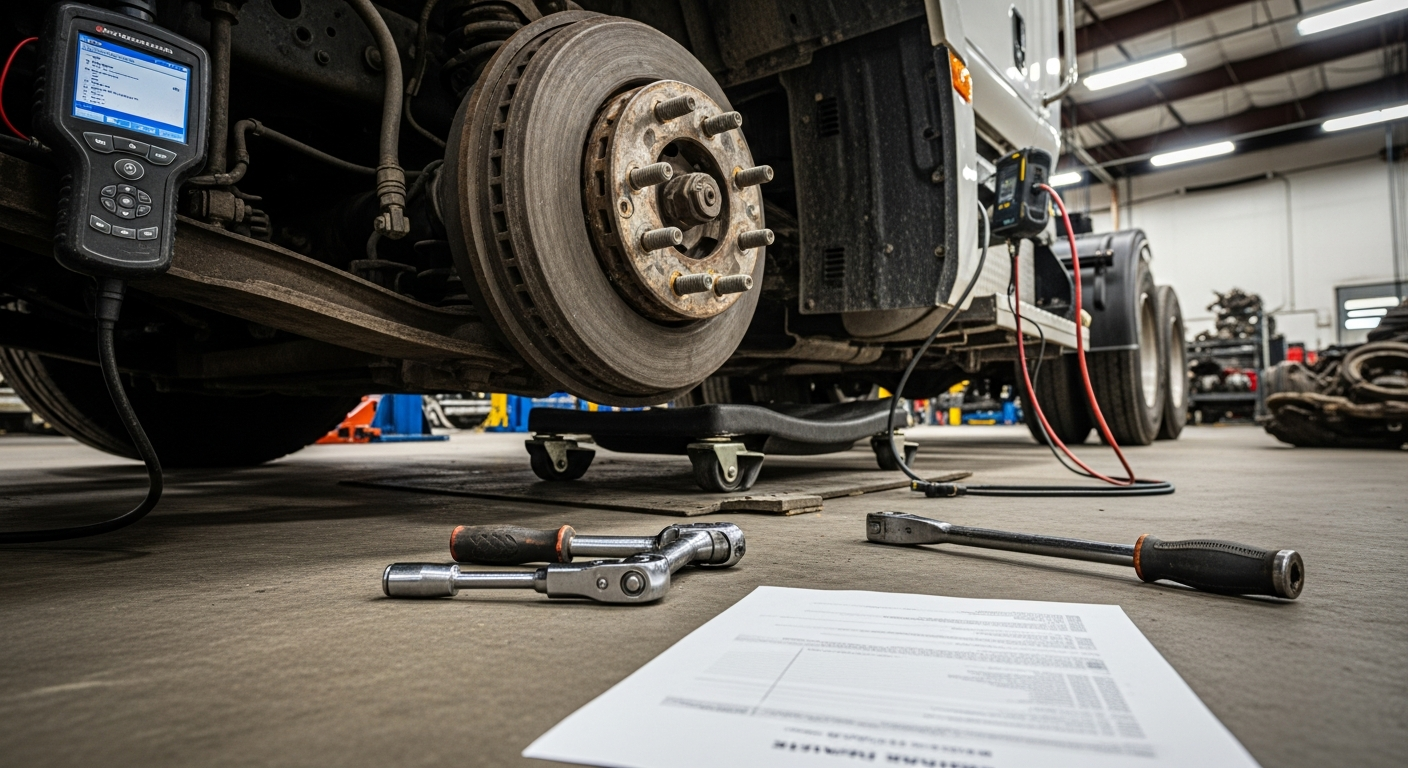
A low estimate is not automatically dishonest, but it is often incomplete. That is where truck owners get trapped.
A lower quote can leave out scans, calibrations, measurements, or blend-panel paint work, even though those steps may be needed for a proper repair. If those operations are not listed, the estimate may look cheaper only because necessary work was skipped on paper.
On a heavy-duty truck, this shows up in a few common ways:
This is why two estimates with the same visible repair can be hundreds or thousands apart. One may include the full process. The other may include only the obvious broken part.
If you run a truck for revenue, the cheaper estimate can cost more later if the unit has to come back for fit issues, electrical problems, poor finish quality, or damage that was never fully addressed.
It is normal for the estimate to change once the truck is opened up. Hidden damage is common in collision work.
After teardown, the shop may find broken mounts, cracked inner panels, bent supports, hidden wiring damage, or damage behind the bumper or hood assembly. That part is not a red flag by itself.
The real issue is whether the shop explained the supplement process before the job started and whether they get approval before adding work. If they call you after teardown with a clear explanation, photos, and revised pricing, that is normal. If they keep adding charges without discussion, that is a problem.
Ask these questions before authorizing repair:
That short conversation can prevent arguments later. It also helps fleet managers explain downtime to dispatch and customers instead of being surprised halfway through the repair.
Some estimates raise concerns right away. If you see these problems, do not rush into approval.
Major red flags include no labor-hour breakdown, no warranty details, and pressure to approve quickly. Those are signs the estimate may be incomplete, overstated, or not well documented.
Here is what to watch for in plain language:
A professional shop should be able to walk you through the estimate line by line in plain English. If they act irritated because you asked what a charge means, that tells you something.
Truck owners should also compare the estimate to the truck’s intended use. A local older straight truck may justify a different repair approach than a late-model highway tractor, leased fleet unit, or customer-facing service truck. The right estimate is not always the cheapest or the highest. It is the one that matches the truck, the damage, and the standard of repair you actually need.
If you are looking at a collision estimate and something does not add up, get it reviewed before you approve the work. HDTR in Homer Glen, IL handles heavy-duty collision repair, body work, paint, and fabrication, and can help truck owners understand what is really on an estimate and what may be missing. If your truck has visible body damage plus possible hidden mechanical or electrical issues, having one shop that can inspect both sides of the problem can save time and prevent repeat downtime.
A very low estimate is often missing labor steps, diagnostics, paint blend work, or hidden-damage allowances. Compare line items, parts type, and procedures instead of looking only at the total price.
Yes, that can be normal if hidden damage is found behind panels, bumpers, lights, or mounting structures. The shop should explain the supplement, show what changed, and get approval before adding charges.
Yes. The estimate should identify whether parts are OEM, aftermarket, recycled, or reconditioned so you can judge fit, durability, lead time, and overall repair quality.
Watch for vague totals, no labor-hour breakdown, no parts type listed, no warranty details, and pressure to approve fast. Those issues make it harder to tell whether the truck is being repaired correctly or just priced to get a signature.

Heavy Duty Truck Repair is currently going through an exciting period of reorganization and relocation to a new facility. As we prepare for this…
Tomas Labinskis
Aug 24, 2026
Your truck can need body repair even when the obvious crash damage looks minor, because hidden structural movement often shows up in the way…
Tomas Labinskis
Jul 17, 2026
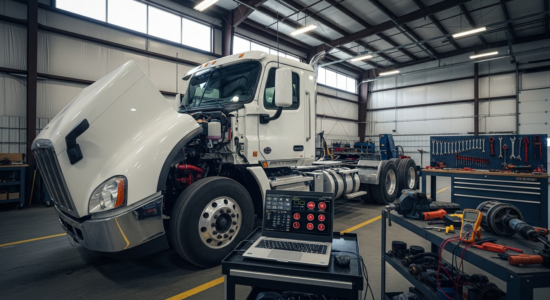
A warning light on a heavy-duty truck is not just a reminder on the dash. It is the truck telling you a system has…
Tomas Labinskis
Jul 14, 2026