Heavy Duty Truck Repair Is Moving to a New Location
Heavy Duty Truck Repair is currently going through an exciting period of reorganization and relocation to a new facility. As we prepare for this…
 Tomas Labinskis
Aug 24, 2026
Heavy Duty Truck Repair is Temporarily Closed While We Get Settled Into Our New Space. Read more

Homer Glen, IL
Tomas Labinskis
Jul 17, 2026
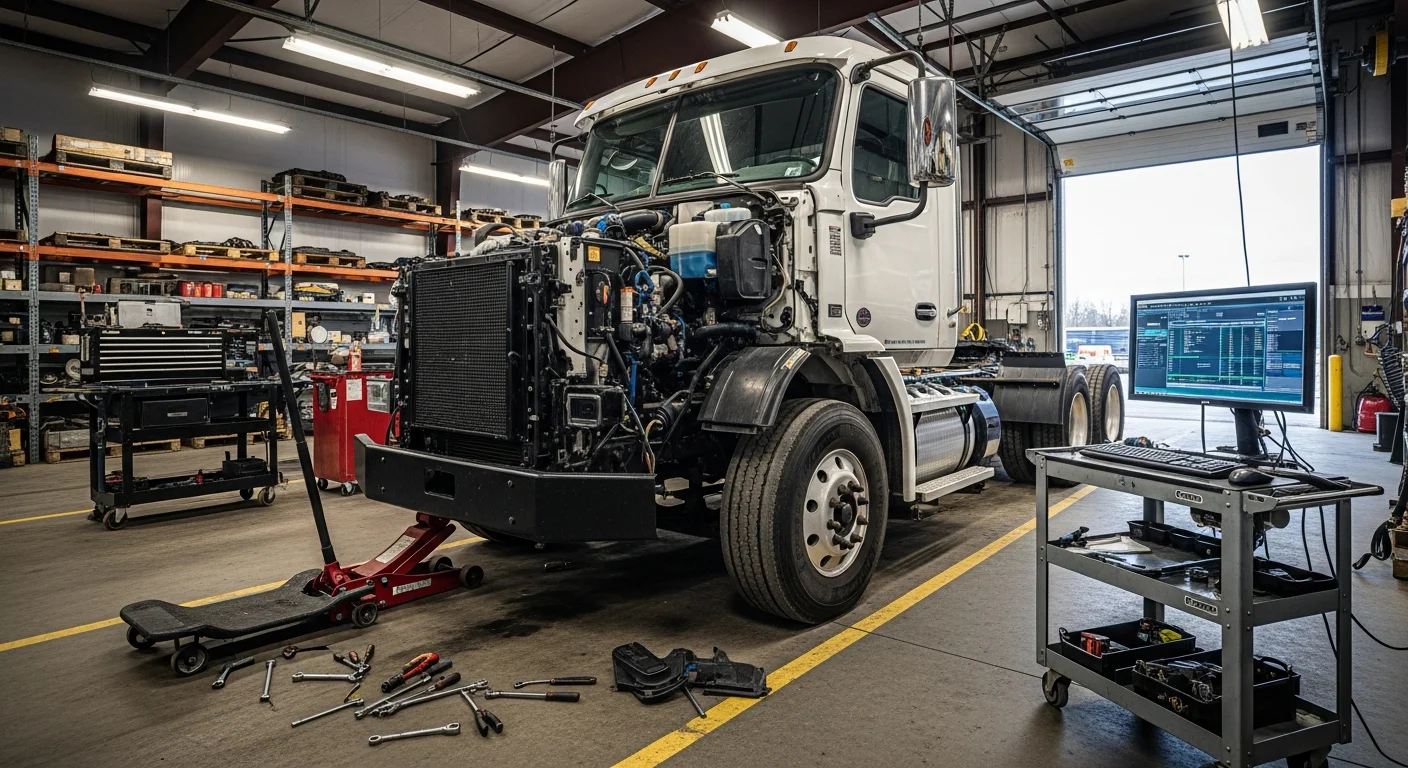
Your truck can need body repair even when the obvious crash damage looks minor, because hidden structural movement often shows up in the way panels fit, doors close, windows seal, and suspension parts behave afterward.
That matters more than a cosmetic issue. A truck with hidden body or structural damage can start wearing tires wrong, develop steering complaints, leak water into the cab, fail to hold alignment, or come back for repeat repairs that should have been caught the first time. For an owner-operator or fleet, that means more downtime, possible DOT attention if damage affects lights or safety equipment, and a higher bill later if the truck keeps working while the body structure is out of line.
Small collision damage can hide bigger body and structural problems.
A lot of drivers make the same mistake after a scrape, backing hit, hood damage, or a minor front-end collision. If the truck still runs, the lights work, and nothing is hanging off, they assume it is just cosmetic. Sometimes that is true. A lot of times it is not. The real decision is whether the truck only needs panel repair and paint, or whether the hit moved mounting points, hinges, cab structure, or parts underneath that now need a proper body and mechanical inspection.
If the gaps changed after the hit, something moved. That is one of the fastest ways to tell you may have more than surface damage.
Uneven panel gaps between the hood and fenders or around doors can point to hidden structural movement, especially when one side sits high, one gap is tight, and the other side is wide. On a heavy-duty truck, that does not always mean the full frame rail is bent. It can also mean the hood mounts shifted, the cab corner moved, the support structure got pushed, or the panel was reinstalled without the structure underneath being corrected.
Look at the truck straight on and from both front corners. Compare left and right sides. If the hood line is different from one side to the other, or one fender edge sticks out more, do not write it off as “just bodywork.” On a big rig or medium-duty work truck, a small alignment issue up front can turn into headlight aim problems, hood rub, latch wear, and repeat cracking in fiberglass parts.
Another clue is light peeking through gaps where body panels meet, or glass that hits the weatherstrip harder on one side than the other. Drivers usually notice this as wind noise, a water leak, or a window that suddenly does not look square in the opening. That kind of fitment problem often shows up after a side impact, mirror strike, cab corner hit, or rollover damage that was repaired poorly.
A door, hood, or compartment latch should work smoothly. If it suddenly takes a slam, lift, shove, or second try, there is a reason.
Doors, hoods, or tailgates that need extra force to close or will not align right are a strong sign that the hit affected more than the outside skin. On trucks, this can mean bent hinges, shifted latch supports, a moved cab opening, or structure behind the panel that never got pulled back where it belongs.
This is where owners lose money by waiting. A hard-closing hood can damage hinges, latches, and safety catches. A misaligned door can wear the striker, loosen the hinges, and start leaking water into the cab. Then what began as body damage turns into electrical issues, cab interior damage, corrosion, and driver complaints.
If the truck was already repaired once and the fit is still off, that is a red flag. The first repair may have focused on replacing visible parts without measuring the structure, checking mounts, or verifying the way everything closes under its own weight. That is why a truck can come back from a body repair looking decent from ten feet away but still not be right to use every day.
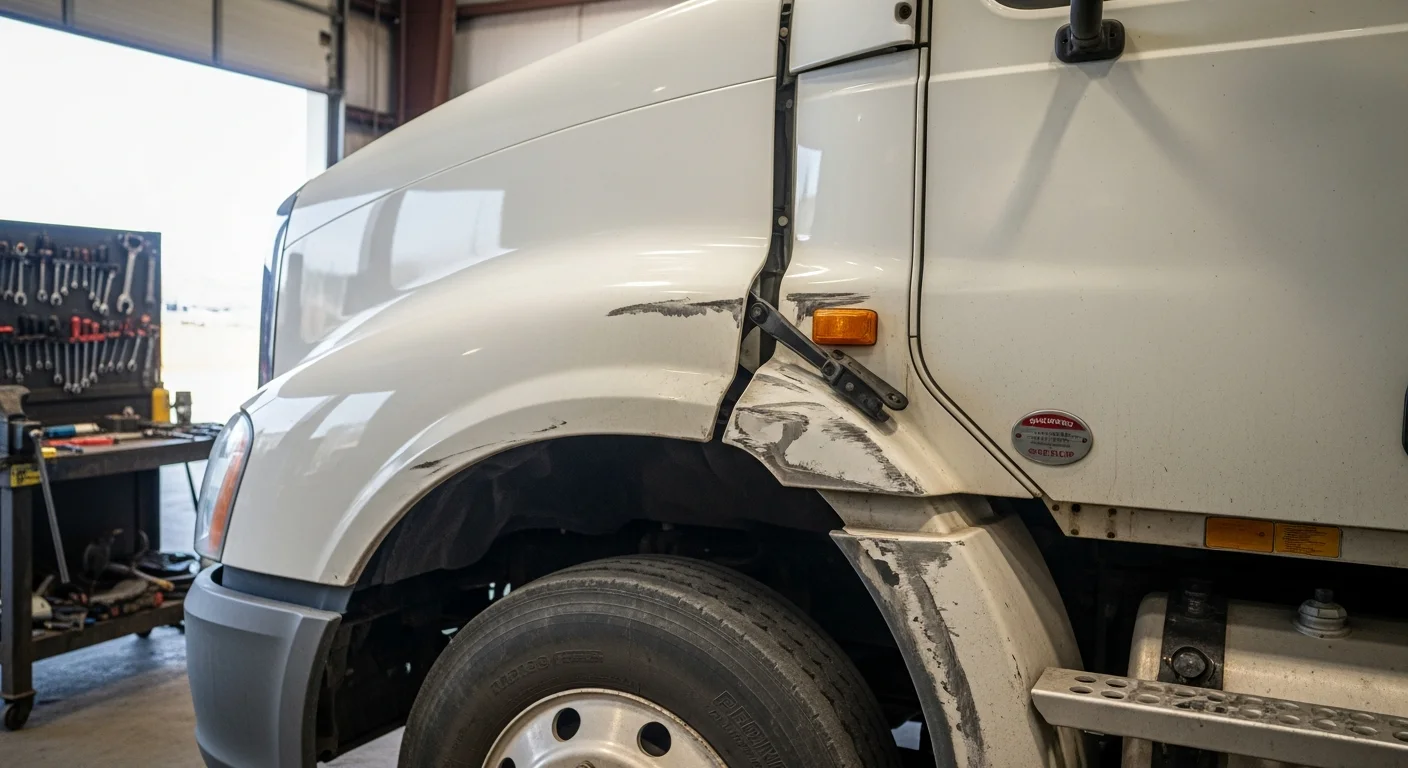
Hidden collision damage is often easier to spot from underneath than from outside. You are looking for signs that parts moved, were replaced, or are now leaking.
On a truck that took a front-end, side, or curb impact, inspect around hinge areas, inner fenders, support brackets, and wheel wells. Fresh tool marks, disturbed fasteners, shiny wrench marks, or replacement hardware next to older paint usually tell you somebody has already been in there. That does not automatically mean bad repair work, but it does mean the truck needs a closer look if it still has fitment or driving complaints.
Also look at the suspension in the damaged area. A body hit does not stay “just body” if the wheel took force. Brown oily streaking or a dirty wet film on a shock body can point to a leaking shock after impact. A bent bracket, shifted axle position, or damaged suspension mount may not be obvious until the truck starts pulling, shaking, dog tracking, or wearing one tire faster than the other.
Drivers often describe this as, “It didn’t drive like this before the accident.” That matters. If the steering wheel is off-center, the truck wanders, or the tire wear changed after a collision, body repair and mechanical inspection need to be looked at together. You do not want to throw an alignment on a truck before checking whether damaged body or suspension mounting points are what caused the problem.
Ignoring subtle collision damage usually makes the repair bigger. The truck may still be usable, but that does not mean it is right.
Here are common problems that show up later:
For fleets, this is where hidden damage turns into schedule disruption. One truck keeps coming back for alignment, tires, a hood that will not stay adjusted, or a water leak no one tied back to the original collision. For owner-operators, it usually shows up as lost time and a bigger final repair bill because the truck kept working while damaged parts kept wearing each other out.
The practical next step is to inspect fit, function, and the damaged area underneath before calling it a cosmetic issue. You are trying to separate minor panel damage from damage that affects structure, drivability, or repeat reliability.
Start with a simple walk-around and compare both sides of the truck. Check panel gaps, latch effort, hood alignment, bumper position, step fit, mirror mount alignment, and whether the doors close without being slammed. Then check for rubbing marks, chipped paint around hinges, cracked seam sealer, and signs of fresh repair work inside the wheel wells or under the hood.
If the truck now pulls, vibrates, dog tracks, leaks water, has wind noise, or is wearing tires differently after the hit, do not treat that as a separate issue. Tie it back to the collision and have the body side and mechanical side checked together. That is how you avoid the common mistake of fixing the visible damage but missing the reason the truck still is not right.
If your truck was hit and the hood, doors, panels, or suspension do not look or feel right afterward, get it checked before it turns into tire wear, water leaks, or repeat downtime. HDTR in Homer Glen, IL handles heavy-duty body repair, collision work, fabrication, and mechanical inspection under one roof, which helps when body damage may also involve steering, suspension, or alignment-related concerns. Walk-ins are welcome during business hours, and if the truck cannot be driven in safely, HDTR can help arrange a tow-in. That is the right next step when the damage is more than cosmetic and you want to catch it before it costs more.
Yes. A minor-looking hit can still move hinges, mounting points, cab structure, or support brackets underneath the panels. If gaps changed, doors do not close right, or the truck drives differently after the impact, hidden damage is possible.
Look for uneven panel gaps, a hood or door that needs to be slammed, water leaks, wind noise, and tire wear or pulling that started after the collision. Those signs usually mean the hit affected fit, structure, or parts underneath, not just the outside panel.
Yes. If the impact reached the wheel, suspension, axle area, or mounting points, the truck may pull, wander, dog track, or wear tires unevenly. That is why body damage and mechanical inspection should be looked at together after a crash.
Not until somebody checks whether the damage is only cosmetic. A truck can stay on the road with hidden body or structural problems that later turn into latch failure, leaks, tire damage, or a bigger repair bill. If fit or drivability changed after the hit, it needs inspection.

Heavy Duty Truck Repair is currently going through an exciting period of reorganization and relocation to a new facility. As we prepare for this…
Tomas Labinskis
Aug 24, 2026
A warning light on a heavy-duty truck is not just a reminder on the dash. It is the truck telling you a system has…
Tomas Labinskis
Jul 14, 2026
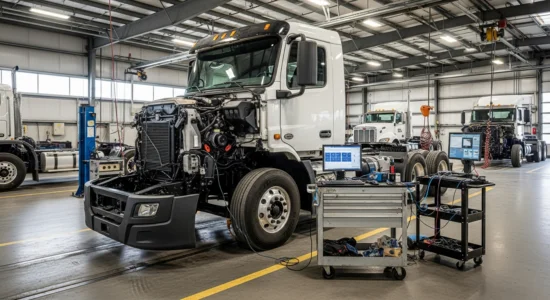
After a collision, a truck should not go back into service just because the visible damage looks repaired. A post-collision unit has to be…
Tomas Labinskis
Jul 10, 2026