Heavy Duty Truck Repair Is Moving to a New Location
Heavy Duty Truck Repair is currently going through an exciting period of reorganization and relocation to a new facility. As we prepare for this…
 Tomas Labinskis
Aug 24, 2026
Heavy Duty Truck Repair is Temporarily Closed While We Get Settled Into Our New Space. Read more

Homer Glen, IL
Tomas Labinskis
May 20, 2026
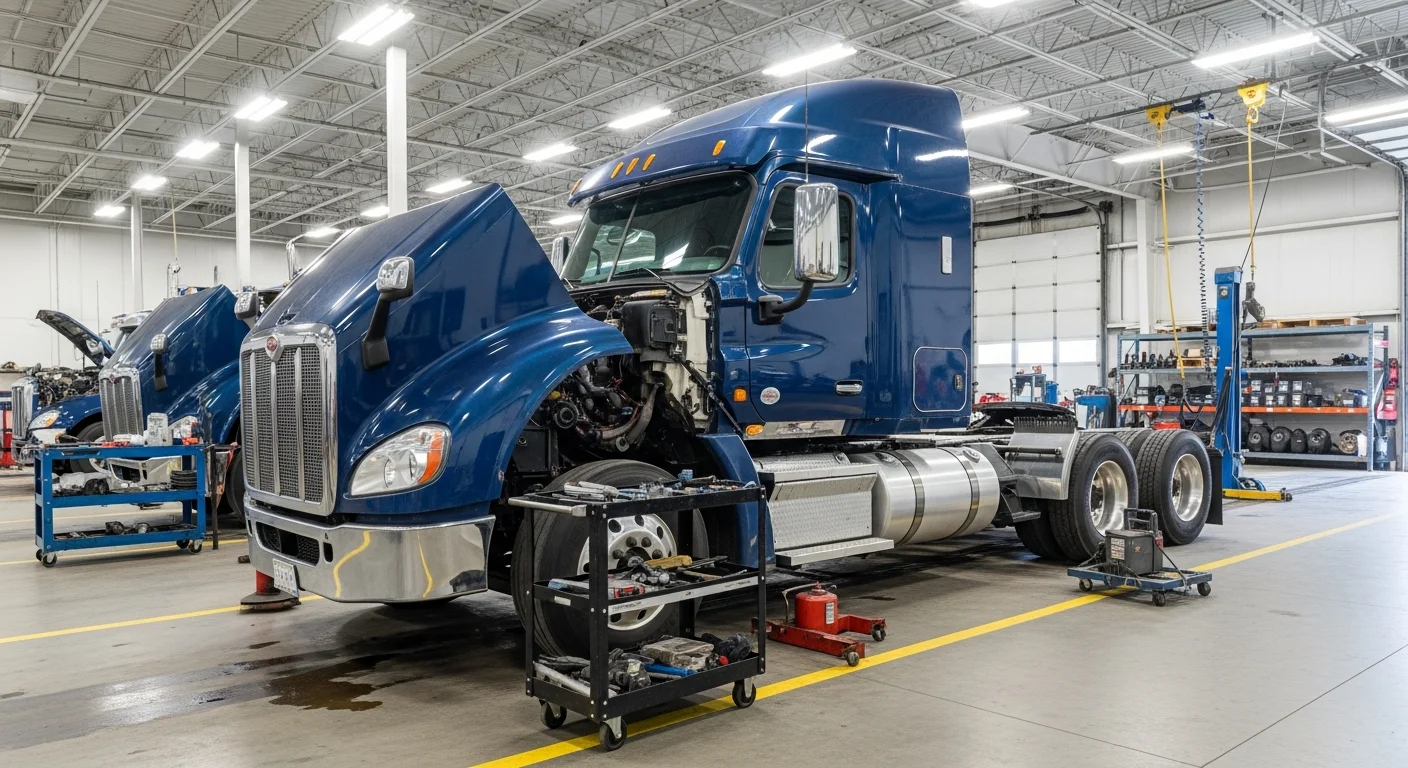
Seasonal fleet maintenance checklists matter because heavy-duty trucks do not fail the same way in winter, spring, summer, and fall, and the trucks that stay ahead of those patterns usually spend less time broken down on the side of the road. A good checklist is not paperwork for the file cabinet. It is a practical way to catch repeat problems like weak batteries, tire pressure changes, air leaks, cooling issues, lighting faults, and suspension wear before they turn into a missed load or an out-of-service problem.
For an owner-operator or fleet manager, this comes down to uptime, repair cost, and inspection risk. If seasonal wear gets missed, one small defect can turn into a tow bill, roadside downtime, damaged tires, brake trouble, or a truck that derates or overheats under load. That is why seasonal inspections should work with your regular PM schedule, not replace it.
A seasonal checklist helps you catch weather-related wear before it becomes a breakdown or a DOT problem.
There is also a recordkeeping side to this. The Driver Vehicle Inspection Reports rule requires drivers to note defects found during pre-trip or post-trip inspections, and carriers must keep those reports for 3 months. If the same unit keeps getting written up for low air pressure, tire wear, lights, or steering play, that pattern should be feeding your seasonal maintenance plan.
Every truck needs regular inspection and repair, but seasonal changes hit different systems in different ways. Cold weather exposes batteries, starting systems, air dryers, and fuel issues. Heat exposes radiators, charge air cooling, belts, hoses, A/C performance, and tire pressure changes. Wet spring roads and winter chemicals speed up corrosion, trailer wiring problems, and rust jacking around wheel ends and body hardware.
That matters because 49 CFR 396.3 requires commercial motor vehicles to be systematically inspected, repaired, and maintained so they stay in safe operating condition. A seasonal checklist gives that requirement some structure. Instead of waiting for a failure, you inspect the systems most likely to act up during the next few months.
This also helps with annual inspection planning. The annual inspection rule requires at least one inspection every 12 months, covering items like brakes, steering, lights, tires, coupling devices, and wheels. Fleets that do well with inspections usually do not wait for that one yearly date. They build shorter seasonal checks around the same safety items.
If you skip that approach, the same truck often comes in with the same complaints: air loss in winter, uneven tire wear in spring, overheating in summer, and lighting or suspension problems once weather and road conditions get ugly again.
The exact checklist depends on your equipment and routes, but some items belong on almost every truck and trailer. The goal is to find the stuff that changes with temperature, moisture, road conditions, and load demands.
At a minimum, seasonal checks should cover:
Tires deserve special attention because they change fast with temperature swings and loading. NHTSA tire guidance says most tire failures happen because of underinflation and overloaded conditions, and proper inflation is critical for safe operation. On trucks, that means your seasonal tire check is not just about tread depth. It is also about matching inflation to actual operating conditions and catching cupping, feathering, shoulder wear, and signs of dog tracking before a tire gets destroyed.
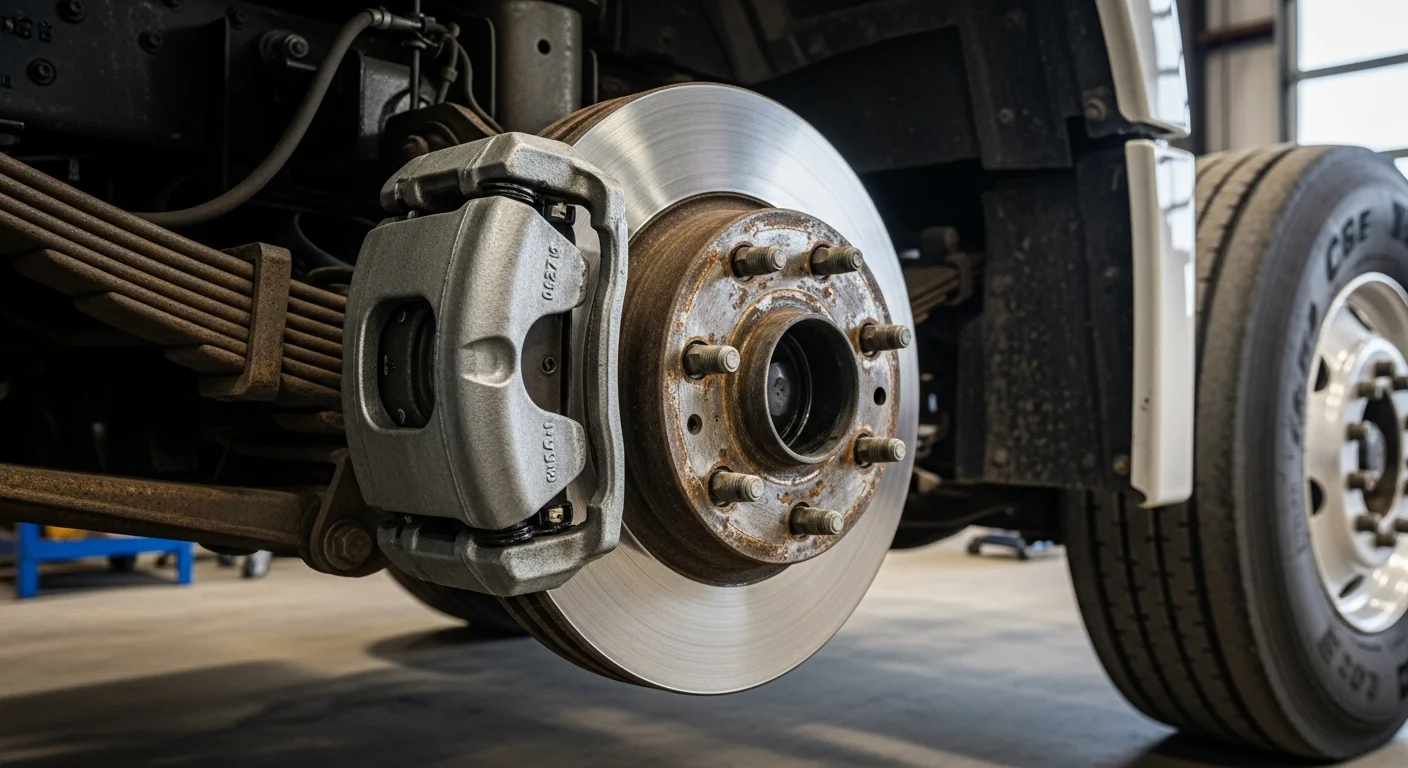
The best seasonal checklist is the one that matches how your trucks actually work. A dump truck, a highway tractor, a box truck, and a trailer fleet will not all fail the same way, but the seasonal pattern is still there.
In winter, focus on cold-start and air system problems first.
In spring, focus on damage left behind by winter roads and chemicals.
In summer, cooling and tire performance move to the top of the list.
In fall, get ready for cold weather before the first hard drop in temperature.
Ignoring seasonal wear usually costs more than the inspection would have. A small cooling leak becomes an overheating event. Slight steering play becomes irregular tire wear and an alignment job. A minor air leak becomes a slow build complaint, brake issue, or failed roadside inspection. A weak battery becomes a service call on a cold morning when the load is already booked.
There is also the roadside enforcement side of it. The North American Standard Out-of-Service Criteria are updated every year and used during inspections to place vehicles or drivers out of service when serious safety defects are found. That is why seasonal maintenance is not just a shop issue. It directly affects whether a truck keeps moving or gets parked for brakes, tires, lights, steering, or other defects that should have been caught earlier.
For fleets, missed seasonal maintenance also creates a planning problem. One truck down can force load swaps, upset dispatch, create driver delays, and put pressure on the rest of the fleet. For owner-operators, one breakdown can wipe out a good week fast.
A checklist only helps if it leads to repair decisions. If drivers keep writing up the same issue, somebody has to compare those reports with shop findings and fix the root cause. That may mean smoke testing an air system instead of topping off air. It may mean checking live data and charging voltage instead of throwing batteries at a no-start. It may mean measuring suspension wear instead of rotating another set of tires onto a truck that dog tracks.
Use your seasonal checklist with three simple rules.
If your trucks keep having the same seasonal failures, the issue is usually not bad luck. It is that the inspection process is too general, too rushed, or not tied to what those units actually do.
If your fleet is seeing repeat seasonal breakdowns, overheating, tire wear, air system trouble, or inspection write-ups, the next step is a real truck-by-truck check instead of another generic PM. HDTR in Homer Glen, Illinois handles heavy-duty diagnostics, inspections, mechanical repair, trailer work, and electrical problems under one roof, which helps when a seasonal checklist uncovers more than one issue. Walk-ins are welcome, and road service is available during business hours within 50 miles if a truck is stuck with a problem that may be repairable on-site. If it cannot be fixed roadside, HDTR can also help arrange tow-in for proper shop diagnostics and repair.
Most fleets should do a dedicated seasonal check four times a year, with regular PM inspections still happening in between. The seasonal check is there to catch weather-related problems like battery weakness, cooling issues, air system trouble, tire pressure changes, and corrosion before they turn into a breakdown.
Yes. Seasonal checks help catch worn brakes, bad lights, tire problems, steering wear, and coupling issues before a roadside inspection finds them. That lowers the chance of violations, out-of-service problems, and unplanned downtime.
The biggest mistake is using the same generic checklist every time and not tracking repeat defects by truck or trailer number. If the same unit keeps showing up with low air, uneven tire wear, no-start complaints, or lighting faults, the root cause is not being fixed.
You still need the required annual inspection. Seasonal checklists work best as shorter interval checks built around the same safety systems, so problems get found earlier instead of waiting for the yearly inspection or a roadside stop.

Heavy Duty Truck Repair is currently going through an exciting period of reorganization and relocation to a new facility. As we prepare for this…
Tomas Labinskis
Aug 24, 2026
Your truck can need body repair even when the obvious crash damage looks minor, because hidden structural movement often shows up in the way…
Tomas Labinskis
Jul 17, 2026
A warning light on a heavy-duty truck is not just a reminder on the dash. It is the truck telling you a system has…
Tomas Labinskis
Jul 14, 2026